Homeowner Playbook for Cleaner Ducts and a Smarter Furnace Schedule
Start by mapping the scope of your home’s airflow: supply runs, returns, main trunks, and the furnace cabinet. Assess what’s accessible, where registers are blocked by furniture, and any add-ons like humidifiers or media filters. This quick inventory defines what a crew can reach and what might require small adjustments, keeping the project focused and avoiding unexpected delays during the cleaning visit.
Meanwhile, define your goals so the work plan aligns with results you actually want. Some households prioritize allergy relief; others aim for smoother heating and cooling or reduced dusting. Stating targets helps you choose methods, tools, and timing. For example, families with pets might stage work after shedding season, while remote workers might schedule during quieter hours to minimize noise disruption.
Beyond that, verify your current furnace filter type and age. A high-efficiency filter can buffer new dust from entering cleaned ducts, but only when sized and installed correctly. Inspect the filter rack for gaps, confirm airflow direction arrows, and document the replacement date. Then plan a fresh filter swap immediately after service so the newly cleared pathways won’t be compromised by an overdue insert.
However, don’t overlook the dryer vent, which often accumulates lint in elbows and exterior terminations. Lint buildup can restrict airflow, extend drying times, and add unnecessary strain to appliances. Including this line item during the same appointment reduces repeat trips and keeps household routines on track. Make sure the exterior flap moves freely and that the termination isn’t obstructed by landscaping.
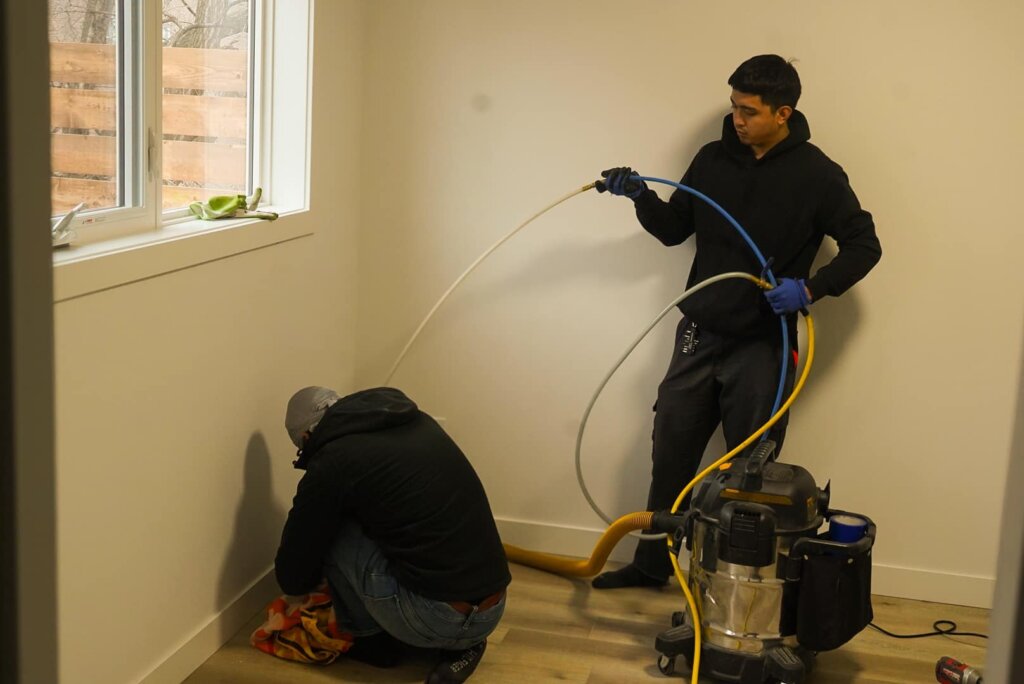
In practice, good prep reduces on-site time. Clear space around the furnace, move items from return grills, and label hard-to-find registers in finished basements. Then, validate that pets have a safe, quiet room to reduce stress during the service. Small readiness steps help the crew sequence tasks efficiently, from setting negative air pressure to brushing branches without frequent stops.
Often, homeowners ask how frequently ducts should be cleaned. There isn’t a one-size answer, so inspect performance clues instead. Excess dust on vents, persistent odors, or uneven temperatures may suggest buildup or restricted airflow. Lifestyle and environment matter too. Document seasonal changes and note any renovations that introduced drywall dust, which can justify moving up your maintenance interval.
Next, examine quality markers when selecting duct cleaning services. Look for clear explanations of the workflow, including access creation, agitation tools, and containment. Ask how they protect finishes and confirm that return and supply sides will be addressed. A provider that explains staging, protects the furnace, and logs findings builds confidence without making lofty claims or promising unrealistic outcomes.
Then, think lifecycle. A deep clean resets your baseline, but maintenance keeps it stable. Set reminders to replace filters on a schedule that matches your home’s usage. Calibrate expectations: after service, some dust can appear as residual particles settle. Running the fan briefly and wiping registers helps finalize the reset, supporting cleaner recirculation as the system stabilizes.
Finally, track furnace performance as a post-clean validation step. Listen for smoother blower starts, verify strong airflow at distant registers, and compare temperature consistency between rooms. While results vary by home, these practical checks help you refine service timing. Pairing duct work with seasonal furnace inspections can keep small issues from becoming larger repairs and extend overall equipment reliability.
Ultimately, planning, timing, and follow-through matter as much as the cleaning itself. Choose an appointment window that fits your household rhythm, confirm any access needs in advance, and maintain your filter afterward. With a simple log of observations and dates, you can phase future visits intelligently and protect the gains from each service, keeping indoor air fresher and your system running smoothly.